MAC Heating and Cooling Inc

Residential Heat Pump Installation Services That Heat and Cool From One System

A heat pump replaces your furnace and your air conditioner with a single piece of equipment, and in a mild climate it does both jobs well. It is also the system most often sold with numbers that do not hold up. MAC Heating and Cooling Inc has installed home heat pumps since 2017, and we will show you the real running cost math for your house before you spend anything.
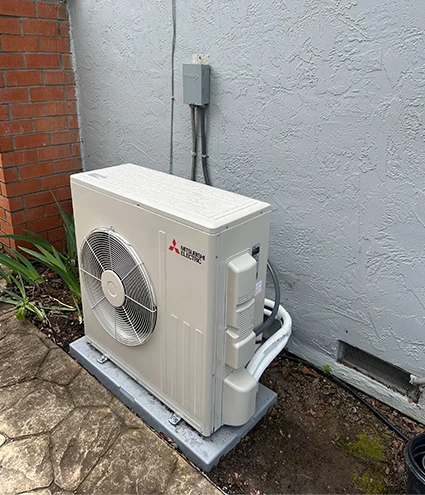
Why Homeowners Choose MAC Heating
Contact Form Demo (#3)
❄️ Installing Residential Heat Pumps Since 2017
📋 Licensed HVAC Installation With Permits Filed
⚡ Electrical Capacity Checked Before We Quote
💡 Honest Running Cost Comparison
✓ Current Rebate Eligibility Checked
💲 Written, Itemized Pricing Before Work Begins

Benefits of Our Residential Heat Pump Installation

We compare against your current heating rather than quoting national averages, because electricity is expensive here and the honest answer depends on your home and your rate.
One system instead of two to buy, service and eventually replace

A heat pump covers heating and cooling together, so you are maintaining a single piece of equipment rather than a furnace and a separate condenser on different replacement clocks.

No combustion inside the house

Because nothing burns, there is no heat exchanger to crack, no flue to block and no carbon monoxide risk from the heating equipment itself.

Electrical surprises found during the estimate, not during the install

We check your panel capacity and available breaker space before quoting, so a needed service upgrade appears in the written price rather than as a mid project change order.

Steady, even heat rather than blasts of hot air

Variable speed heat pumps run longer at lower output, which holds temperatures more evenly across rooms and avoids the swing that short furnace cycles create.

Year of Experience
0 +
Partners
0 +
Reviews Rating
0 *

Our Services

Heat pumps sit alongside the full range of residential heating and cooling work we handle.

Complete central heating and cooling systems installed from the load calculation forward, including matched equipment, permitting and final verification testing.

Diagnosis and repair of heating and cooling faults across central systems, heat pumps and furnaces, with the repair priced in writing before work starts.
Design, installation and replacement of home duct systems. This matters for heat pumps in particular, since they move more air at lower supply temperatures than a furnace does.
Whole home media filter cabinets, UV germicidal systems and certified air cleaners built into the ductwork and sized to your blower.
Air source heat pumps that heat and cool from a single system, installed with electrical capacity verified, permits filed and running costs explained honestly up front.
Single zone and multi zone ductless heat pump systems for additions, garages, ADUs and rooms the main system never reached.

What Is Residential Heat Pump Installation and What Does It Involve?
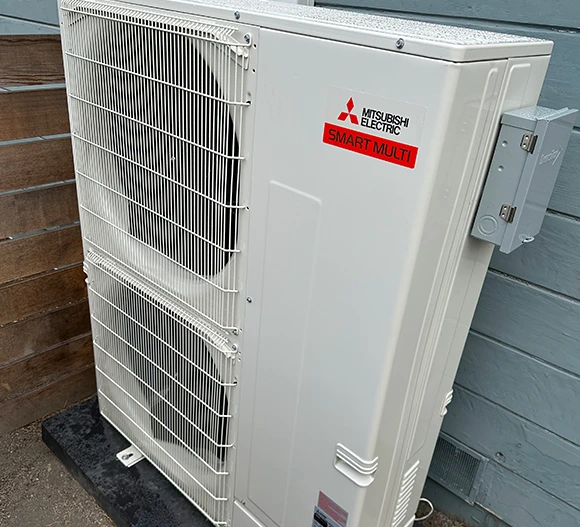
A heat pump is a single system that both heats and cools a home by moving heat rather than burning fuel to create it. In summer it works exactly like an air conditioner, pulling heat out of the house. In winter it runs the same cycle in reverse, extracting heat from outdoor air even when that air feels cold, and delivering it indoors. Because it moves existing heat instead of generating it, a modern unit delivers roughly two and a half to three and a half units of heat energy for every unit of electricity it consumes.
The reason this deserves careful work is that a heat pump changes more about a house than a like for like furnace swap does. It changes the electrical load, it changes how the air feels coming out of the registers, it may change what your ductwork needs to carry, and it changes which utility bill your heating costs appear on. MAC Heating and Cooling Inc has been handling home heat pump installation since 2017, and our approach is to put all of that in front of you before you decide. The full range of what we handle is listed on macheatingandcoolinginc.com.

Electrical Panel Capacity and Circuits for a Heat Pump Conversion
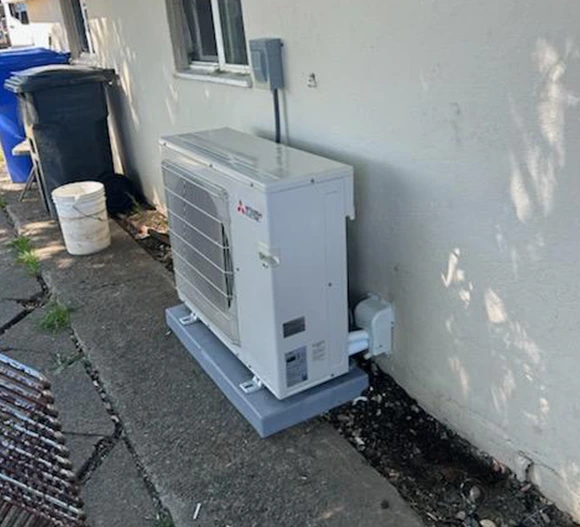
This is the step that derails more heat pump projects than anything else, and it is the one most quotes leave out. A heat pump needs a dedicated 240 volt circuit, which means your panel needs both the spare breaker space and the service capacity to carry the new load. Homes still on 100 amp service, which describes a lot of older housing stock, frequently do not have the headroom once existing loads are counted, and a service upgrade commonly adds somewhere in the range of $1,500 to $3,000 to the project.
A conversion from gas heat also requires an electrical permit alongside the mechanical permit, and both have to be pulled before work begins. We check all of this during the estimate visit. If your panel needs work we tell you then and price it into the quote, because finding out halfway through an installation is how a project turns into an argument. In some cases load management devices or circuit sharing can avoid a full service upgrade, and we will look at whether that applies to your home. Send a photo of your panel through Contact Us and we will tell you whether an upgrade is needed.

Our Work Process

Our advanced air scrubbers and filtration systems remove airborne pollutants and allergens, delivering cleaner, healthier air for your home year round.

Home and electrical assessment

We calculate the heating and cooling loads, inspect the ductwork, and check your electrical panel for capacity and breaker space before proposing anything.

Options, costs and written quote

You get equipment options at different efficiency levels, a running cost comparison against your current system, current rebate eligibility, and an itemized price.

Install, permit and commission

We pull the mechanical and electrical permits, install and commission the system, coordinate the required verification testing, and show you how the controls work.

Enjoy Cleaner Air

Enjoy noticeably cleaner, fresher indoor air and greater peace of mind for your entire household. Enjoy noticeably cleaner, fresher indoor air.

Dual Fuel and Hybrid Heat Pump System Installation
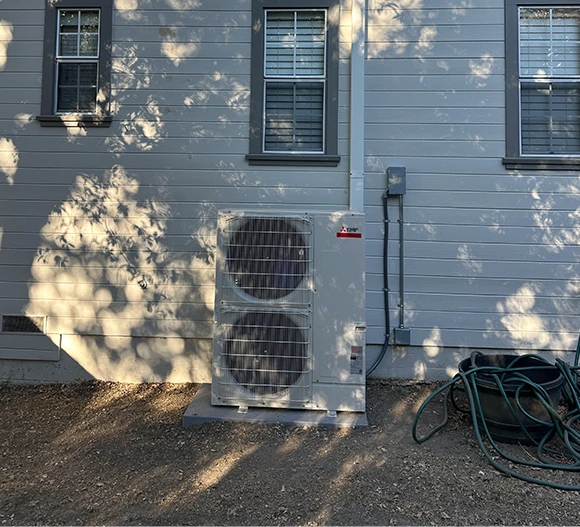
A dual fuel system pairs a heat pump with a gas furnace and lets controls switch between them based on outdoor temperature and relative operating cost. The heat pump handles the large majority of the heating season, which in a mild climate is most of it, and the furnace takes over during the coldest stretches or whenever gas becomes the cheaper way to make heat. This configuration suits two situations particularly well. The first is a household that wants cooling added and heating improved but has a relatively young gas furnace still worth keeping.
The second is a home where the electrical panel cannot easily support full electrification, since retaining gas backup reduces the peak electrical demand the system creates. The tradeoff is that you keep a gas connection and its fixed monthly charges, and you still have two pieces of equipment to maintain. We size and configure the changeover point properly rather than leaving it at a factory default, because a badly set switchover gives you the running costs of both systems and the savings of neither. The gas side of a dual fuel setup is handled the same way as any Furnace Installation we carry out.

Ducted and Ductless Heat Pump Installation for Homes
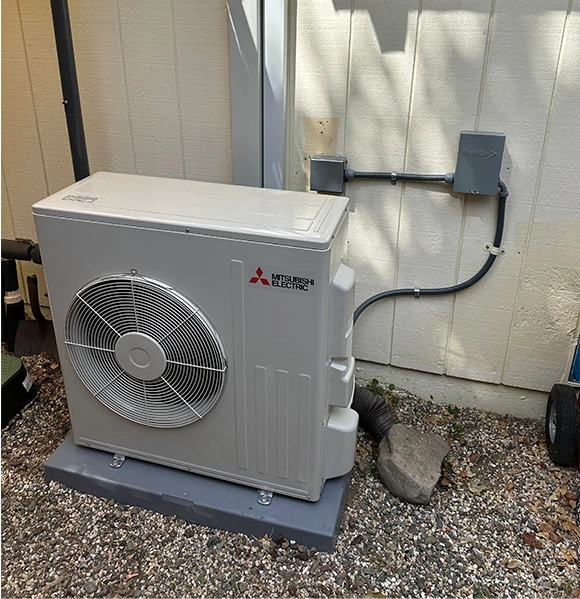
Not every home is a candidate for a single ducted system, and not every room the main system serves poorly needs a full duct replacement to fix it. We install both ducted air source heat pumps and ductless mini split systems, and in a fair number of houses the right answer is a combination of the two. A ducted heat pump replaces the furnace and condenser and uses the existing supply and return network, which suits homes with reasonable duct capacity and a sensible air handler location. A ductless system mounts indoor heads directly in the rooms they serve and needs only a small penetration for refrigerant lines and condensate.
Where a home has a serviceable duct system but a few rooms it never properly reached, we will often quote a ducted unit for the main body of the house and one or two ductless heads for the problem areas rather than redesigning the entire duct layout. That frequently costs less than the duct work would, and it gives those rooms their own thermostat and their own schedule. We walk the house during the assessment and tell you which approach fits, including the cases where the honest recommendation is duct repair or return sizing before any new equipment goes in. Where the existing runs cannot carry the airflow, Ductwork Installation comes before the equipment.

Heat Pump Replacement and Existing System Changeout
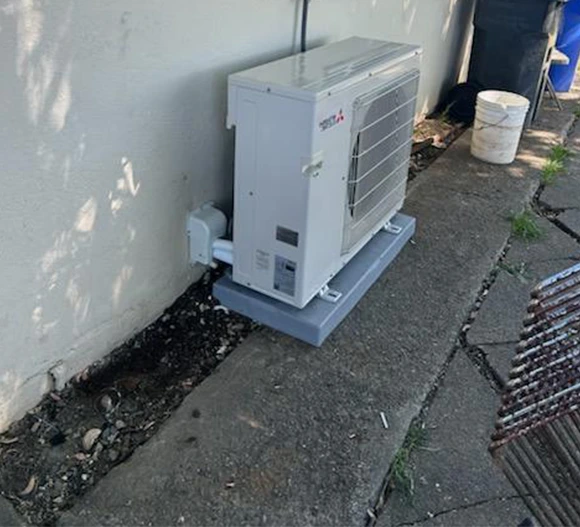
Replacing a heat pump that has reached the end of its life is a different job from converting a gas heated home, and it is a large part of the work we do. Equipment installed ten or fifteen years ago is usually paired with a matching air handler, a line set and a thermostat, and how much of that carries over to the new system depends on the refrigerant, the condition of the line set and whether the original installation was sized correctly in the first place.
We also handle the cases where a previous installation was simply done badly, which usually shows up as short cycling, rooms that never balance, backup heat that runs far more than it should, or a system that never met the load it was supposed to carry. Before quoting replacement equipment we recalculate the load, because installing the same wrong size again is an expensive way to repeat someone else’s mistake. When a system fails outright we schedule the changeout as quickly as equipment availability allows, and we will tell you honestly whether a repair would carry you through the season instead.

Frequently Asked Questions

Why does the air from a heat pump feel cooler than air from my furnace?

Because it is cooler, and this surprises almost every homeowner who switches. A gas furnace delivers air at roughly 120 to 140 degrees in short bursts, while a heat pump delivers air somewhere near 90 to 100 degrees over much longer run times. The room reaches the same temperature and holds it more evenly, but air at 95 degrees feels lukewarm against skin at 98 degrees. It is a sensation issue rather than a performance one, and most people stop noticing within a few weeks.

Often yes, but it needs checking rather than assuming. Heat pumps move a larger volume of air at lower supply temperatures than furnaces do, so ductwork that was marginal with a furnace can become a real limitation with a heat pump. Undersized returns and restrictive runs show up as weak delivery and poor comfort in the rooms furthest from the air handler. We measure static pressure and airflow during the assessment and tell you whether the existing system will carry the new equipment.
In this climate, usually far less than homeowners expect. Most systems include electric resistance backup that engages in very cold conditions or during defrost cycles, and properly configured it should run rarely. That matters financially, because resistance heat is expensive to run and a badly set control strategy that calls for it too eagerly will produce alarming electricity bills. We set the balance point and lockout temperatures deliberately rather than leaving factory defaults in place.

How long does a heat pump last compared with a furnace and air conditioner?

A heat pump typically lasts around 15 years, while gas furnaces often run 15 to 20 and air conditioners 10 to 15. A heat pump does run year round rather than seasonally, which is why its lifespan sits closer to an air conditioner’s than a furnace’s. The practical comparison is that you are replacing one system on one schedule instead of two systems on two different schedules, which many homeowners find easier to plan around.
Usually not on its own, and we will tell you that. The strongest moments to convert are when your air conditioner needs replacing anyway, when the furnace is near the end of its life, or when you are adding cooling to a home that has never had it. Replacing a healthy furnace purely to electrify rarely pays back at current regional electricity rates unless you have solar. If your furnace has years left, the better plan is usually to prepare for the conversion and make the move when the equipment is due.

Want to Know if a Heat Pump Makes Sense for Your Home?

The answer is different for every house, and it depends on your panel, your ductwork, your current heating and your utility rates. We will assess all four and give you a straight recommendation along with a written price, even when that recommendation is to stay with what you have.

Reach Out to Our Team

Contact our professional experts today to discuss your heating or cooling needs and discover reliable solutions for your beautiful family home.

Contact Form Demo (#3)

Areas We Are Serving

We install residential heat pumps throughout Sonoma County and the neighboring North Bay communities, including parts of Napa, Marin and Mendocino counties. Because conversions often involve electrical work and permitting, we like to assess early and schedule the installation with proper lead time. Assessment visits can usually be booked within a few days.

Areas We Serve