MAC Heating and Cooling Inc
HVAC Contractor in Napa, CA Where Gas Safety and Seismic Detail Matter
Napa knows what shaking does to gas appliances. The 2014 quake made that lesson local rather than theoretical. Heating equipment that is not properly anchored, or connected with rigid pipe instead of a flexible connector, becomes a hazard rather than an inconvenience. We treat that as part of the job here.
✓
Serving Napa & Napa County Homes
✓
Licensed HVAC Installation, Repair & Replacement
✓
Gas Appliances Anchored & Connected to Current Standards
✓
Written Pricing Before Work Starts
✓
Permits Filed With the City of Napa or Napa County
✓
Sizing Based on Your Part of the Valley
Residential Heating and Cooling Work Across the City of Napa
Napa is the largest city in its county and the housing reflects several distinct eras. Around Napa Abajo and Fuller Park, the homes are old and often carry historic significance, with heating retrofitted over the decades and cooling added later. Alta Heights and the streets climbing east of town bring hillside lots and afternoon sun exposure.
Browns Valley and Bel Aire follow more conventional suburban patterns with central systems and attic ducting. South toward the Carneros edge, marine air off San Pablo Bay moderates afternoons noticeably. Out in Coombsville and the rural parcels beyond the city limits, properties get larger, propane sometimes replaces natural gas, and county permitting applies instead of the city’s. The rest of what we handle is listed on macheatingandcoolinginc.com.
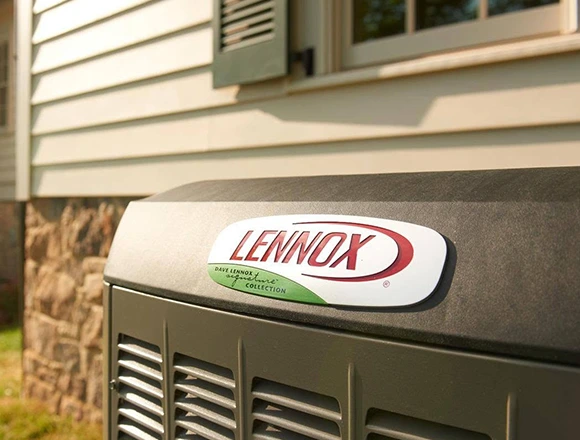
Why Does Earthquake Country Change How Gas Equipment Should Be Installed?
Napa sits in an active seismic area, and the August 2014 event was a reminder that gas equipment is where earthquake damage turns dangerous. The mechanism is simple. When the ground moves, appliances slide. If the gas supply is rigid pipe run straight to the appliance, that pipe becomes the weakest point and it snaps. What follows is a gas leak in a building that may already be damaged, often when nobody is home to shut off the supply.
California codifies this thinking for water heaters, requiring them to be braced, anchored or strapped against earthquake displacement. The same logic applies to furnaces and any gas fired equipment, and it is why code listed flexible connectors matter more than most homeowners realise. A furnace sitting unanchored on a garage platform with a rigid gas line is a problem waiting for the right Tuesday. Bracing and strapping are part of every Furnace Installation we carry out here.
- Our Services
Our HVAC Services Available in Napa

Every installation we complete in Napa includes proper anchoring and a code listed flexible gas connector where gas is involved. We also size against your specific part of the valley, since a home near the Carneros edge has a meaningfully different cooling load than one up against the eastern hills.
We diagnose before quoting and price the repair in writing. On any gas equipment call we also look at how the appliance is secured and connected, because a repair visit is the natural moment to spot a rigid connector or an unanchored unit that nobody has questioned in twenty years.
Older Napa homes often have ducting added long after construction, and seismic movement can separate joints in ways that go unnoticed for years. Disconnected returns in a crawl space or garage are both an efficiency problem and a safety one. We test rather than assume.
Napa County has taken smoke from several major fire events, and the valley holds it. Whole home filtration built into the system covers the house rather than one room. We size the filter to what your blower can carry and install only certified air cleaning devices.
A heat pump removes combustion from the house entirely, which in earthquake country is a genuine safety argument alongside the comfort one. We check electrical panel capacity during the estimate, confirm the outdoor unit can be properly anchored, and give you honest running cost numbers before you decide.
Historic homes near the older parts of town frequently have no practical route for ductwork. Ductless solves that with a small wall penetration instead. It also suits guest cottages, converted garages and the outbuildings common on larger Napa parcels.
What Local Rules and Conditions Apply to Napa Homes?
Napa County is one of the nine counties in the Bay Area Air District, so the same furnace timeline that governs Santa Rosa applies here. Newly installed residential furnaces must meet a zero NOx standard from January 1, 2029, which in practice means electric equipment. That rule applies when you install, not when you sell, so an existing furnace can stay and a furnace installed today can serve its full life.
On the seismic side, California Health and Safety Code section 19211 requires residential water heaters to be braced, anchored or strapped against earthquake displacement, a rule that has applied to new and replacement units since 1991. Automatic seismic gas shutoff valves, which cut the supply when shaking passes a set threshold, are increasingly common in this region and some insurers recognise them. Permitting here runs through the City of Napa or Napa County depending on where your parcel sits, which differs from our Sonoma County work. Tell us the age of the property through Contact Us and we will check what the permit will require.
Is Your Gas Equipment Ready for the Next Quake?
Most Napa homeowners have never looked at how their furnace is secured. These are the points we check on every gas system we work on, and what good practice calls for in each case. Where owners want to move off gas altogether, Heat Pump Installation removes the question entirely.
| Component | What can go wrong | What good practice calls for | How common the problem is |
|---|---|---|---|
| Furnace or air handler mounting | Unit slides or topples off a platform or stand | Anchored to structure, not simply resting in place | Frequent in older garage and closet installations |
| Gas connector at the appliance | Rigid pipe snaps when the appliance moves | Code listed flexible connector with an accessible shutoff | Common on equipment installed decades ago |
| Automatic seismic gas shutoff valve | Gas keeps flowing to a damaged building after shaking | Valve that closes automatically above a set shaking threshold | Still absent on many older homes |
| Outdoor condenser and pad | Unit shifts and strains or shears refrigerant lines | Secured to a level pad with a service loop in the line set | Occasional, mostly on older installs |
| Flue and vent connections | Joints separate, sending combustion gases indoors | Properly fastened and supported vent sections | Worth checking after any significant shaking |
| Water heater strapping | Tank topples and tears the gas line | Two straps, upper and lower third, anchored into framing | Required by California code, still often missing or wrong |
FAQ's
Does my furnace actually need to be anchored?
It should be secured to the structure rather than simply sitting in place, particularly when it is raised on a platform or stand in a garage. An unanchored unit can shift during shaking, and what fails first is usually the gas connection rather than the furnace itself. We check anchoring on every gas system we work on and tell you plainly if what you have is not adequate.
Is an automatic seismic gas shutoff valve worth fitting?
For many Napa homes it is sensible. These valves close the gas supply automatically when shaking exceeds a set threshold, which matters most when nobody is home to reach the meter. Some insurers recognise them. They are a plumbing or gas fitting item rather than an HVAC one, so we will tell you whether yours is a good candidate and point you to the right trade if we are not doing that part.
What should I check on my heating system after an earthquake?
Before anything else, if you smell gas, leave and call the utility rather than investigating. Assuming no gas odour, look at whether the furnace has shifted, whether the flue sections are still properly joined, and whether the outdoor unit has moved on its pad. Separated flue connections are the quiet danger, because the system can run normally while venting combustion gases into the house.
Is south Napa cooler than the upper valley, and does that affect what I need?
Yes to both. Marine air moving up from San Pablo Bay moderates afternoons at the southern end of the valley, while areas further north and against the hills run hotter. A system sized on up valley assumptions will be oversized near Carneros, which brings short cycling and clammy air. We calculate the load at your address rather than using a valley wide figure.
I run my Napa home as a short term rental. What maintenance schedule makes sense?
Heavier than an owner occupied house. Guests run systems harder, set thermostats to extremes, and will not tell you about a strange noise. Filters need changing on a schedule rather than when someone notices, and an annual service before the summer season avoids a failure during a booked stay. We can work around your calendar and send documentation you can keep on file.
Which Other Communities Do We Cover Beyond Napa?
Napa sits at the eastern edge of our service area, connected to our Sonoma County work by the routes across the hills. We also cover Sonoma, Petaluma, Novato, Santa Rosa, Rohnert Park, Sebastopol, Windsor, Healdsburg, Cloverdale and Ukiah. Properties in the unincorporated areas around Napa, including Coombsville and toward the Carneros, are within our range. Share the address and we will confirm.
- Contact Info
Want Your Napa System Checked Properly, Including the Parts Nobody Looks At?
We assess the equipment, the ductwork and how it is all secured, then tell you what needs attention and what does not. You get a written price and no pressure to decide on the spot.
Reach Out to Our Team
Contact our professional experts today to discuss your heating or cooling needs and discover reliable solutions for your beautiful family home.
Areas We Are Serving
We install whole home air filtration throughout Sonoma County and the neighboring North Bay communities, including parts of Napa, Marin and Mendocino counties. Most filtration projects are a single visit once the equipment is on hand, and we can usually schedule an assessment within a few days. Booking ahead of fire season is worth doing, since demand rises sharply once smoke arrives.
- Santa Rosa, CA 95401
- Santa Rosa, CA 95403
- Santa Rosa, CA 95404
- Santa Rosa, CA 95405
- Santa Rosa, CA 95407
- Sonoma County, CA 94954
- Santa Rosa, CA 95409
- Windsor, CA 95492
- Healdsburg, CA 95448
- Rohnert Park, CA 94926
- Rohnert Park, CA 94927
- Napa, CA 94558
- Rohnert Park, CA 94928
- Sonoma, CA 95476
- Ukiah, CA 95482
- Sebastopol, CA 95472
- Cloverdale, CA 95425
- Petaluma, CA. 94952.
- Napa, CA 94559
- Nevado, CA 94945
- Novato, CA 94947
- Novato, CA 94948
- Novato, CA 94949