MAC Heating and Cooling Inc

Residential HVAC Installation Services That Are Sized Right and Built to Last

A new central air and heating system should last 15 to 20 years, and the difference between one that does and one that quits at year nine is almost always the install, not the brand. MAC Heating and Cooling Inc has been handling whole home HVAC installation for local families since 2017. We size the system to your house, pull the permit, and hand you a written price before a single tool comes out of the truck.
Why Homeowners Choose MAC Heating
Contact Form Demo (#3)
🏠 Installing Residential Systems Since 2017
📋 Licensed HVAC Installation With Permits Filed
📐 Manual J Load Calculation Included With Every Quote
💲 Written, Itemized Pricing Before Work Begins
✓ Third-Party Energy Code Verification Coordinated

Benefits of Our Residential HVAC Installation

We verify airflow, refrigerant charge and temperature split, then walk you through the thermostat and filter schedule so nothing about your new system is a mystery.
Your system is sized to the house, not to a rule of thumb

The old 400 to 600 square feet per ton shortcut almost always oversizes a modern home, so we run the actual load calculation and select equipment inside the sizing limits it produces.

The permit is filed and finaled by us

We pull the mechanical permit, prepare the energy compliance paperwork and schedule the independent verification tester, so the project closes out properly instead of following you to your next home sale.

You get a fixed written price, not a moving target

Your quote lists equipment, labor, permit costs, materials and timeline before you approve anything, which makes it possible to compare us honestly against another bid.

Matched equipment instead of a mismatched bargain

We install the outdoor unit and indoor coil as a tested pair, because pairing a new condenser with an old coil costs you capacity and efficiency you already paid for.

Year of Experience
0 +
Partners
0 +
Reviews Rating
0 *

Our Services

Installation is what we do most, but it sits inside a full residential heating and cooling practice. Here is everything we handle for homeowners.

Complete central heating and cooling systems installed from the load calculation forward. We size the equipment to the home, match the indoor and outdoor components.

Diagnostics and repairs for systems that are blowing warm air, refusing to start, cycling oddly or running loud. We quote the repair before we begin and tell you honestly .
Design and installation of home duct systems, including sealing, insulating and testing every run. Since almost every equipment change out now triggers duct leakage testing.
Whole home air purification, UV air scrubbers and high capacity media filtration built into the HVAC system.
Air source and ductless heat pumps that handle both heating and cooling from one system.
Single zone and multi zone ductless systems for additions, garages, ADUs, converted attics and rooms the main system never reached.

What Is Residential HVAC Installation and What Does It Involve?
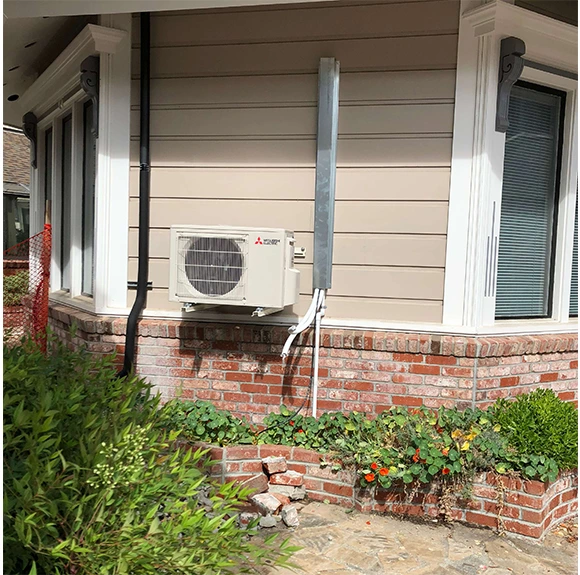
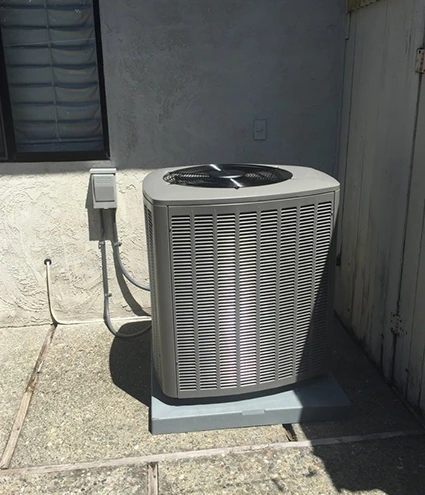
Residential HVAC installation is the process of putting a complete central heating and cooling system into a home, either for the first time or as a replacement for equipment that has reached the end of its life. A full installation covers far more than setting a new unit in place. It begins with a load calculation that measures how much heating and cooling the house actually demands, followed by selecting an outdoor unit, indoor coil and air handler that are tested and rated to work together as a matched pair.
Getting all of that right decides whether the system lasts its full 15 to 20 years or quits at year nine. The Department of Energy estimates that more than half of HVAC systems are incorrectly sized, and an oversized system that short cycles often fails at 8 to 10 years while burning 20 to 30 percent more energy along the way. Those failures are easy to sell and expensive to live with, because a badly installed system still switches on and feels fine for the first season. MAC Heating and Cooling Inc has focused on residential installation since 2017, and every quote we write includes a Manual J load calculation rather than a square footage guess. The rest of what we handle is listed on macheatingandcoolinginc.com.

Residential HVAC Manual J Load Calculations
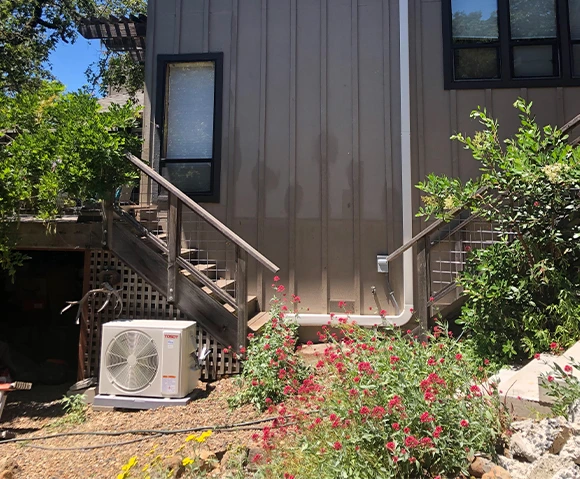
A Manual J load calculation works out, in BTUs, how much heating and cooling your home actually demands, using room dimensions, insulation values, window orientation, ceiling heights and air leakage rather than a square footage shortcut. Real calculations on modern homes often land near 1,431 square feet per ton, which is a long way from the 400 to 600 figure many contractors still quote from.
The gap matters, because an oversized unit satisfies the thermostat in a few minutes, shuts off before the coil pulls moisture out of the air, and leaves you cool but clammy while burning 20 to 30 percent more energy. We run the load calculation on every HVAC unit installation for house projects we quote, then use the results to select equipment within accepted sizing limits. If the number comes back smaller than you expected, that is normal, and it usually means a lower equipment cost too. A load this size is only deliverable if the runs can carry it, so Ductwork Installation gets checked alongside it.

Our Work Process

Our advanced air scrubbers and filtration systems remove airborne pollutants and allergens, delivering cleaner, healthier air for your home year round.

In home assessment

We measure the house, look at insulation, windows and duct condition, and run the load calculation. This visit is where the real sizing decision gets made.

Written proposal and permit

You receive an itemized quote with equipment options at different efficiency levels. Once you approve it, we file the permit and order the equipment.

Installation and verification

We install, commission and test the system, then coordinate the independent verification testing required to final the permit.

Enjoy Cleaner Air

Enjoy noticeably cleaner, fresher indoor air and greater peace of mind for your entire household. Enjoy noticeably cleaner, fresher indoor air.

Title 24 Permits and Energy Code Verification
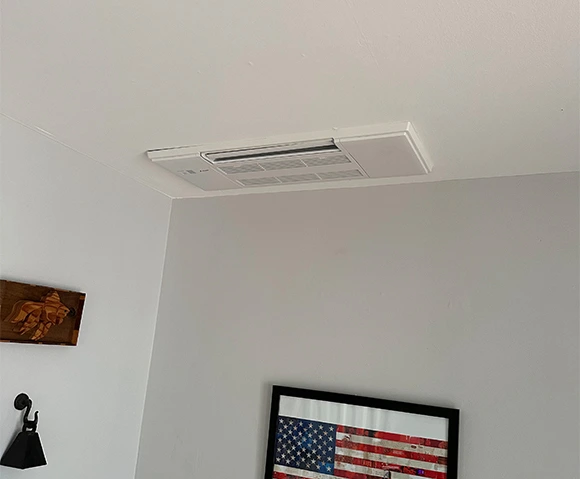
California treats an equipment change out as permitted work, and the 2025 Energy Code applies to any permit applied for on or after January 1, 2026. In practice that means your installation needs compliance paperwork filed with the application, plus field verification of duct leakage, refrigerant charge and airflow performed by an independent state certified tester rather than by us or by the city inspector.
That verification has to be completed before the final inspection can pass. A contractor who offers to save you the permit hassle is really handing you the risk, because unpermitted work tends to surface during a home sale and undercuts insurance arguments later. We handle this end to end as part of every licensed residential HVAC installer job we take on, including booking the tester early, since raters in this region are often scheduled out a week or more in busy season.

A2L Refrigerant Equipment & Matched System Selection
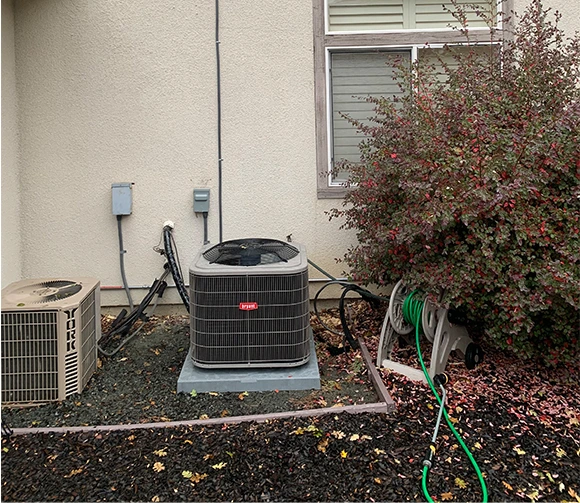
Since January 2025, new residential systems must use a refrigerant below the EPA global warming potential limit, which moved the industry from R-410A to R-454B at most brands and R-32 at a few others. Two things are worth knowing before you shop. First, nobody can convert your existing system to the new refrigerant, so any contractor claiming otherwise is either mistaken or selling you something. Second, nothing forces you to replace a working R-410A system, which can legally be serviced and repaired for the rest of its life.
The new equipment does carry a price premium of roughly 8 to 10 percent over the generation it replaced, which is one reason careful sizing pays for itself right now. When you are ready for a new HVAC system installation for home use, we walk you through the refrigerant your quote is built around, confirm the indoor and outdoor components are an AHRI matched pair, and explain what that pairing does for the efficiency rating you are being sold. Where the choice lands on an all-electric system, Heat Pump Installation covers both sides on one unit.

Old Equipment Removal and System Commissioning
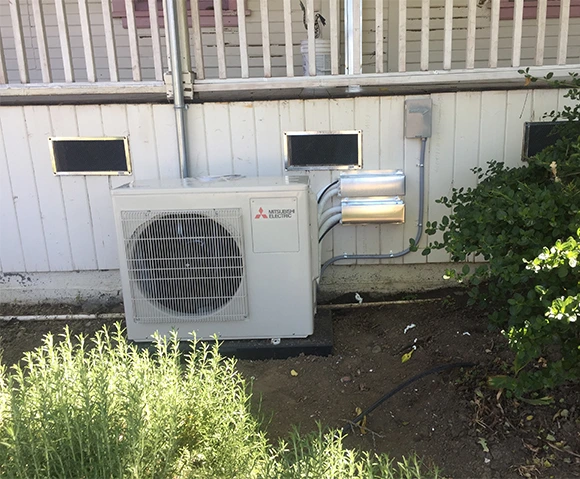
The last stage of an installation is where corners get cut most often, because none of it is visible once the panels go back on. Old equipment has to be disconnected and its refrigerant recovered properly rather than vented. Line sets need to be cleaned or replaced, the pad or stand leveled, condensate drains run with a safety switch, electrical whips and disconnects brought up to current requirements, and thermostat wiring reconfigured for whatever staging the new system uses.
Then the system gets commissioned, meaning we verify airflow, charge and temperature split against the manufacturer’s own performance data instead of assuming it left the factory correct. Every affordable home HVAC installation we quote includes this work rather than treating it as an add on, and we haul away and dispose of the old equipment as part of the job.

FAQ's

Do I legally need a permit to replace my HVAC system in California?

Yes. Equipment change outs require a mechanical permit, while routine repairs such as a capacitor or motor replacement generally do not. Along with the permit, most change outs now trigger field verification of duct leakage, refrigerant charge and airflow by an independent state certified tester before the final inspection can pass. We file the permit and coordinate that testing as part of the installation.
No. The Section 25C Energy Efficient Home Improvement Credit expired for equipment placed in service after December 31, 2025, and there is no phase down or transition relief. Many contractor websites still advertise it because they were never updated. Sonoma Clean Power, BayREN and some city level programs still offer rebates, and we will tell you which ones are actually open when we quote your job rather than printing a figure that may be stale.
It is sometimes physically possible, but it usually costs you more than it saves. The efficiency rating on a system is earned by the indoor and outdoor components tested together as a matched pair, so a new condenser on an old coil rarely delivers the performance listed on the sticker. Mismatches also create warranty gaps. We will tell you plainly if your existing coil can stay.

What happens if my new system fails the duct leakage test?

Nothing catastrophic, but it does stall the project. The permit cannot be finaled until the system passes, which means sealing work, a retest and another scheduling wait. This is why we inspect and test the duct system during the estimate visit instead of on inspection day, so any sealing or replacement is priced into your quote from the start rather than appearing as a surprise.
A straightforward change out reusing existing ductwork is typically a one day job, and a larger project with duct modifications usually runs two days. We remove the old equipment and set the new system the same day in almost every case, so you are rarely without conditioned air overnight. If a project will run longer than that, we tell you before you sign.

Ready to Find Out What a New System Would Actually Cost?

Get a real number instead of an internet range. We come out, measure the house, run the load calculation and put an itemized quote in writing, with no obligation and no pressure to decide on the spot. Ask about payment options while we are there.

Reach Out to Our Team

Contact our professional experts today to discuss your heating or cooling needs and discover reliable solutions for your beautiful family home.

Contact Form Demo (#3)

Areas We Are Serving

Our installation crews work throughout Sonoma County and the neighboring North Bay communities, including parts of Napa, Marin and Mendocino counties. Because we are local, we can usually get out for an in home assessment within a few days and schedule most installations inside the same week. If you are weighing a replacement, an early visit costs you nothing and gives you a real number to plan around.

Areas We Serve